Client · SRS
The cheapest leads were winning. None of them closed.
Strategy is deciding what to measure before deciding what to make. We map how your customers actually buy, then build the marketing and reporting around that. Here's how that worked for SRS.

- Buying-cycle map
- Mid-funnel content
- Pipeline-based reporting
01 Map: The real buying cycle, laid against the content.
SRS sells into a long B2B buying process. Media spend was optimized for lead volume, so the cheapest leads won whether or not they ever closed, and sales carried the whole nurture burden by hand.
We mapped the real buying cycle against their existing content and found the gaps.
02 Build: Content for the months between first contact and decision.
We built mid-funnel content for the stretch where buyers are researching, comparing and getting sign-off.
03 Measure: Reporting on pipeline, not lead count.
We reweighted reporting from lead count to pipeline contribution, so the numbers stopped rewarding cheap, unqualified leads. When the work continues month to month, see How retainers work →.
04 Result: Later conversations, faster closes.
If your reporting measures leads and your business runs on pipeline, the strategy will drift every time.
- Sales conversations started later in the buying cycle and closed faster
- Reporting stopped rewarding cheap, unqualified leads
- The sales team reused the content directly
The same approach, other brands.
All case studies →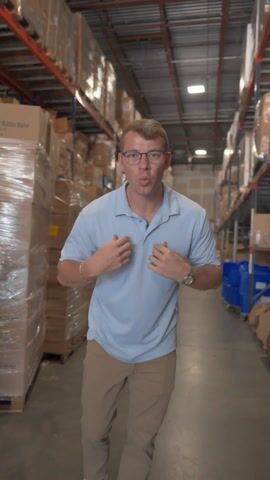
VV Sourcing
An ad pipeline planned around the pace of their spend.
Read the story →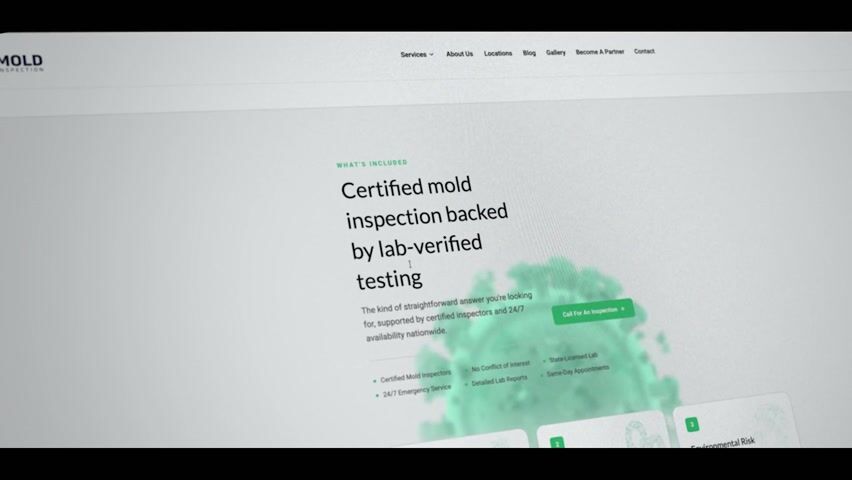
24H Mold Inspection
Campaigns rebuilt around emergency intent.
Read the story →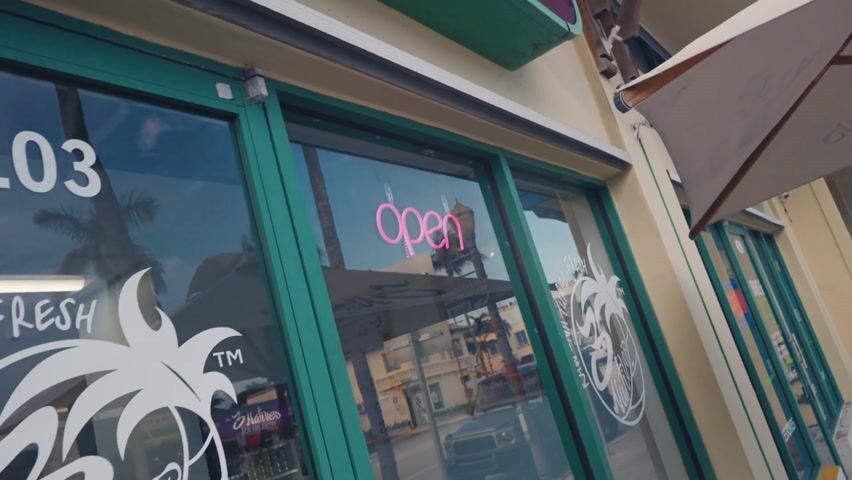
3Natives franchise series
Content planned around how franchise candidates decide.
Read the story →Want to learn first? Browse the free guides →
What's included
Brand positioning
Where you sit in the market and why someone should choose you.
Audience research
Who you're talking to, what they care about, and how they decide.
Messaging frameworks
The language and story structure that carries across every channel.
Content direction
What to make, where to put it, and how it connects to business goals.
Strategy built for how West Palm Beach actually competes
West Palm Beach attracts premium fitness studios, hospitality brands, professional services, and franchise operators — all competing for the same affluent local audience. Strategy here isn't generic national positioning. We research your market, your competitors on Clematis and PGA Boulevard, and build a creative direction that fits.
Related resources
Common questions
Still unsure? Most answers link to the full guide on the blog.
It depends on where you are. It can include brand positioning, audience research, messaging frameworks, content strategy, or competitive analysis — usually a combination.
Read the full guide →Ideally yes. Strategy is what makes creative work land. Without it you're making things that look good but don't necessarily move people.
A focused positioning engagement takes 1-2 weeks. Full brand strategy with audience research typically runs 3-4 weeks.
Ready to talk strategy?
Most brands skip strategy because it feels slow.
Free first consultation, no obligation.